
Resources
Articles on Next.js, e-commerce, and automation
Not vendor marketing — honest writing from real projects.
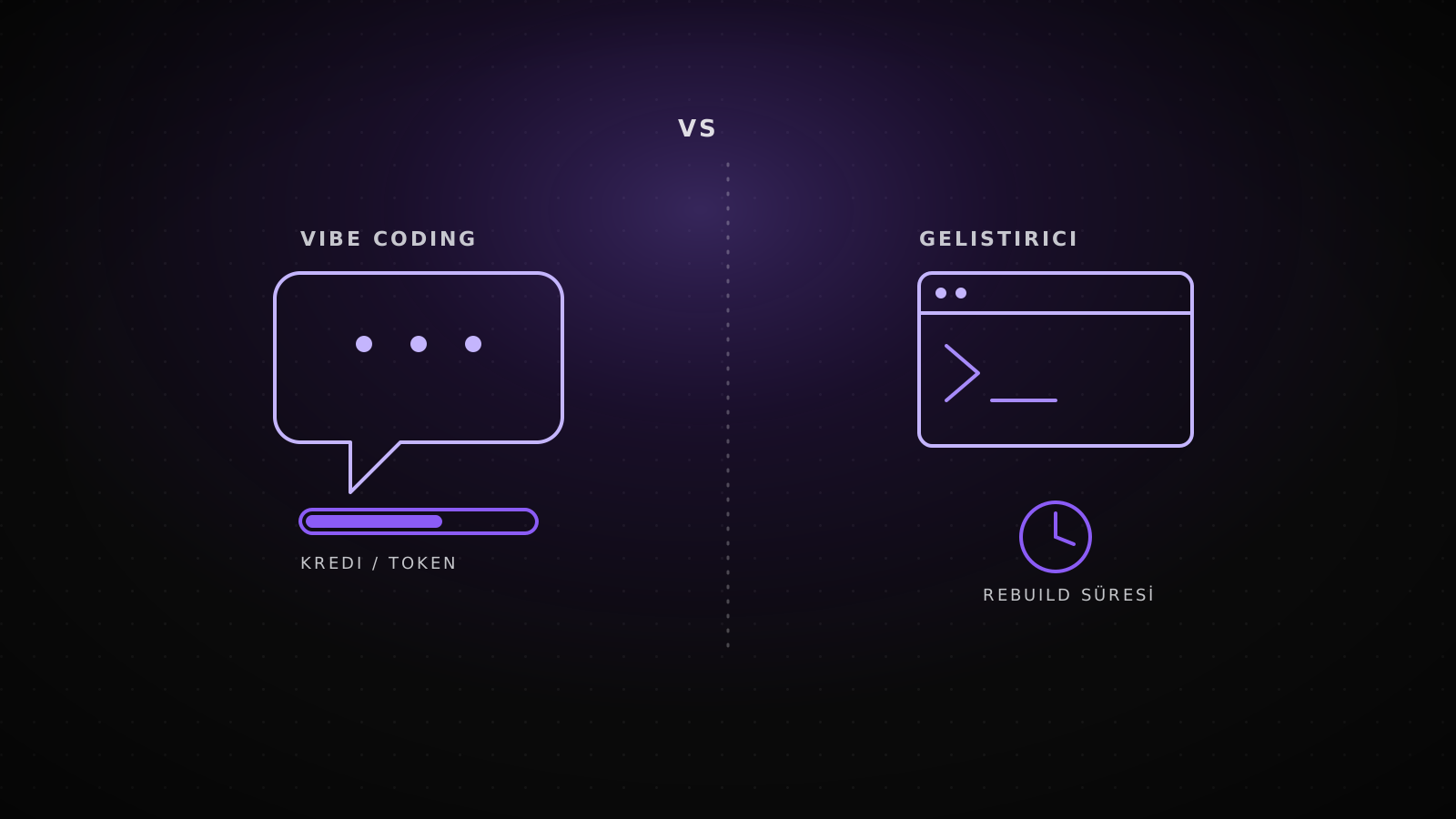
Vibe coding vs. hiring a developer: the real cost comparison
The credit bill is the part you can see. The rebuild is the part that decides whether vibe coding was actually cheaper. Here's the real math, with numbers we've already published.
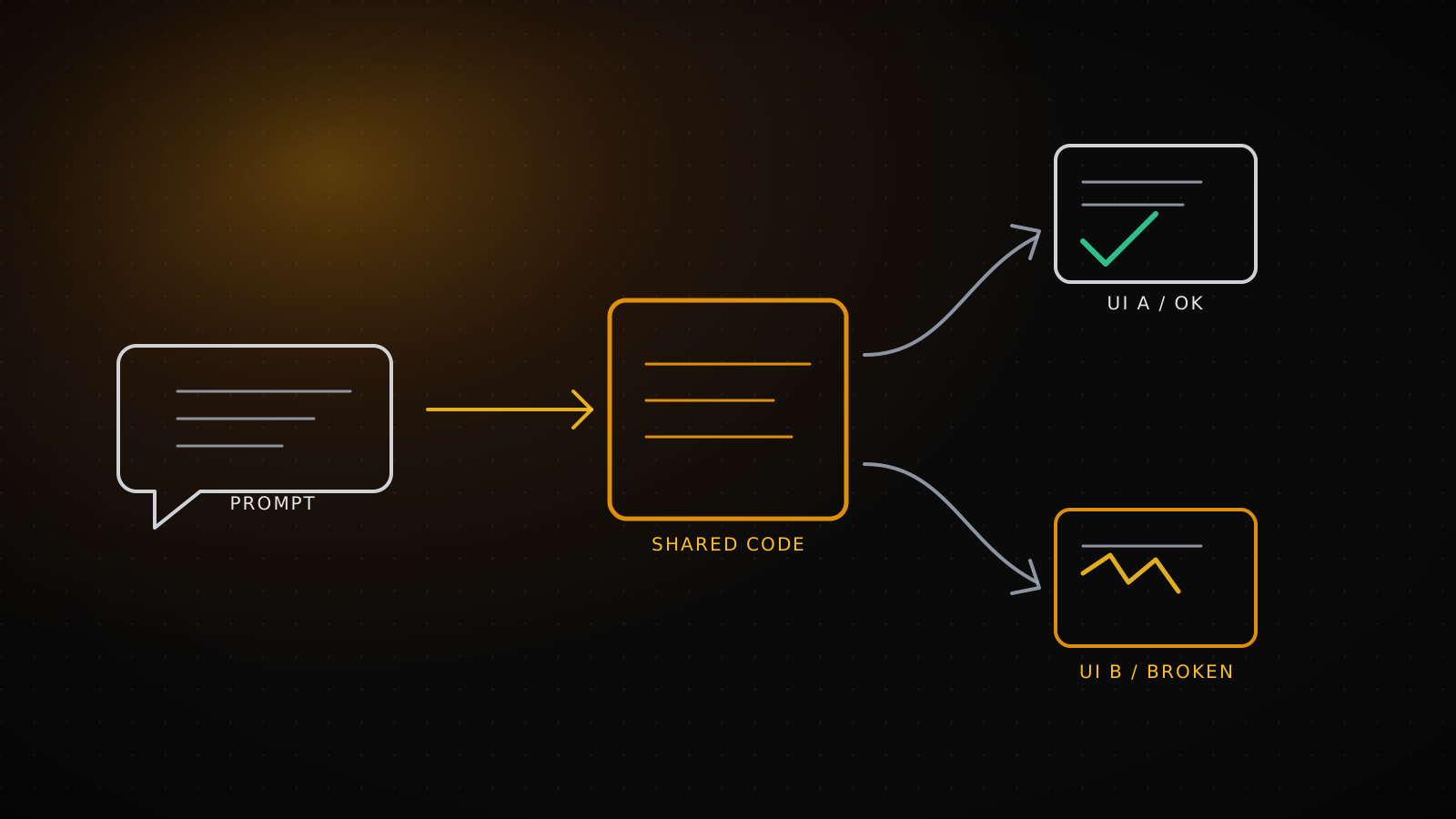
Lovable App Broke After an Edit: The Diagnosis Order That Actually Works
One prompt breaks a screen you never touched. That's almost never data loss, it's shared code. The right diagnosis order gets version history to fix it in minutes instead of more prompts making it worse.
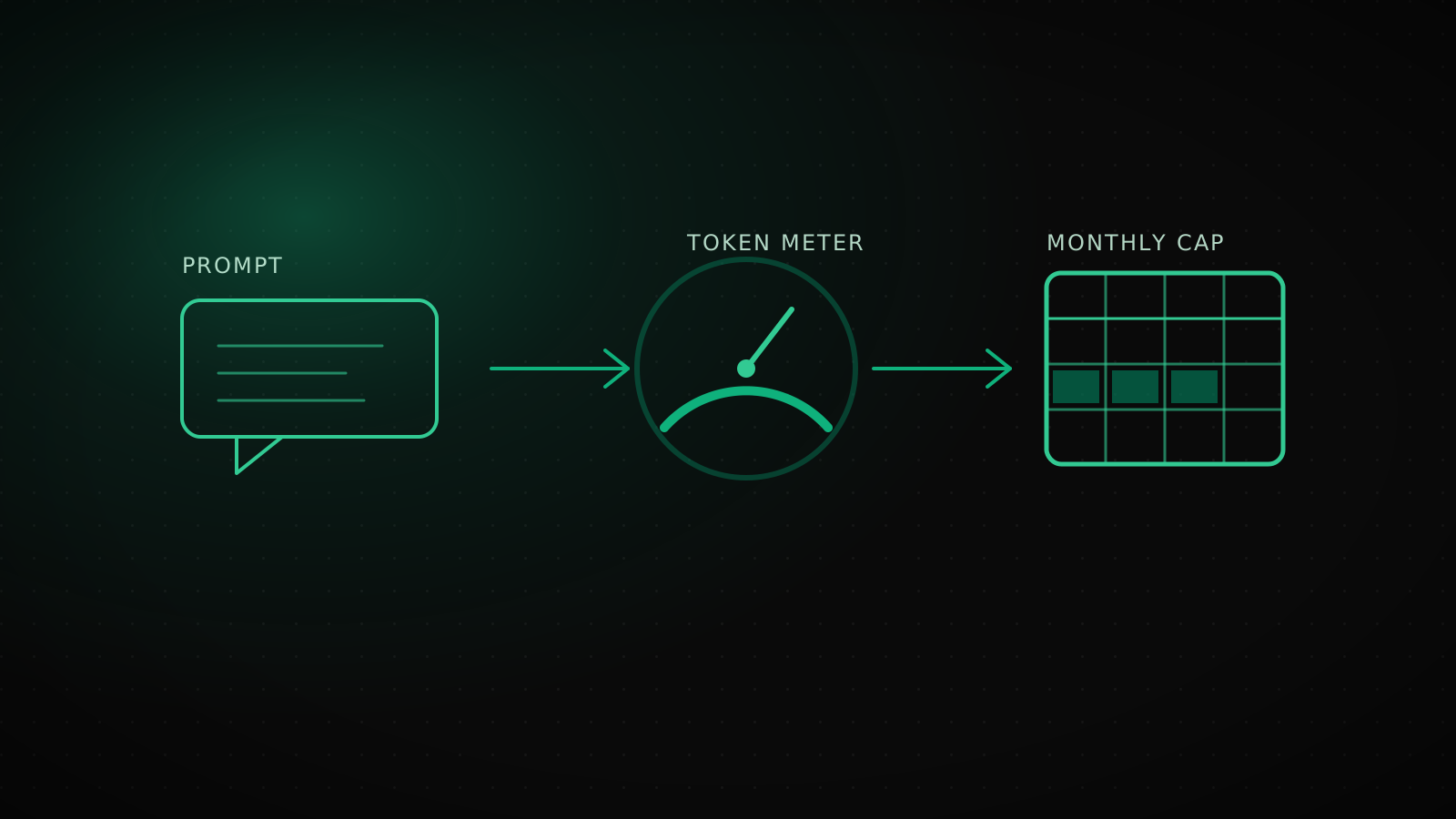
Bolt.new pricing in 2026: the token system and what it really costs a month
Bolt's own pricing page says 10 million tokens a month on Pro. That number means nothing on its own, because Bolt doesn't price by action, it prices by how much of your project it has to read. Here's what actually drives the bill.
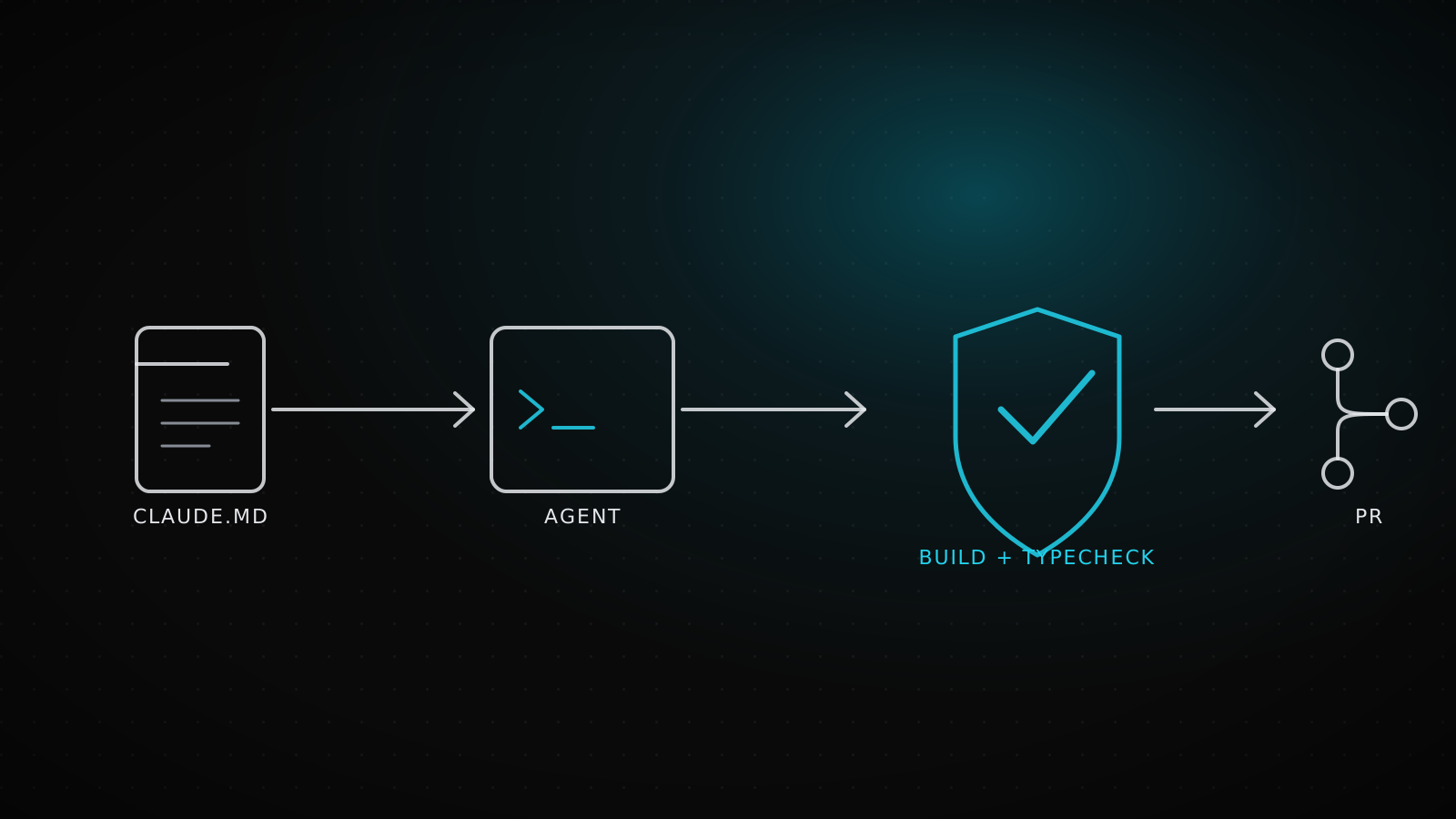
Claude Code best practices: a year of production rules, distilled
Not another generic tips list. Four rules that survived a year of running Claude Code on real client codebases, each one with the reason it exists.
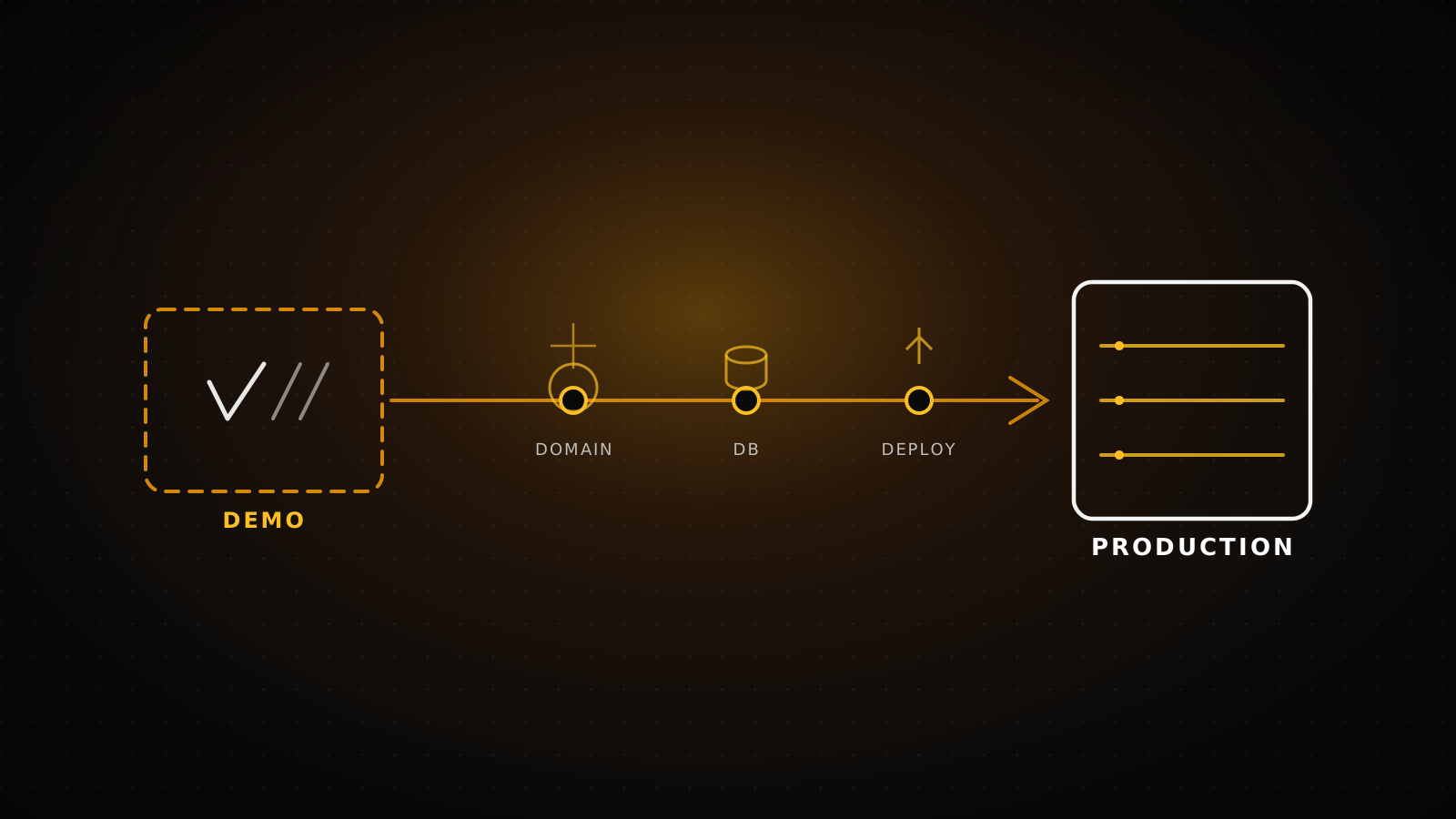
Taking a vibe-coded app to production: everything besides security
Taking a vibe-coded app to production runs through six separate jobs. Security lives in its own guide, this one covers the rest of the operational path.
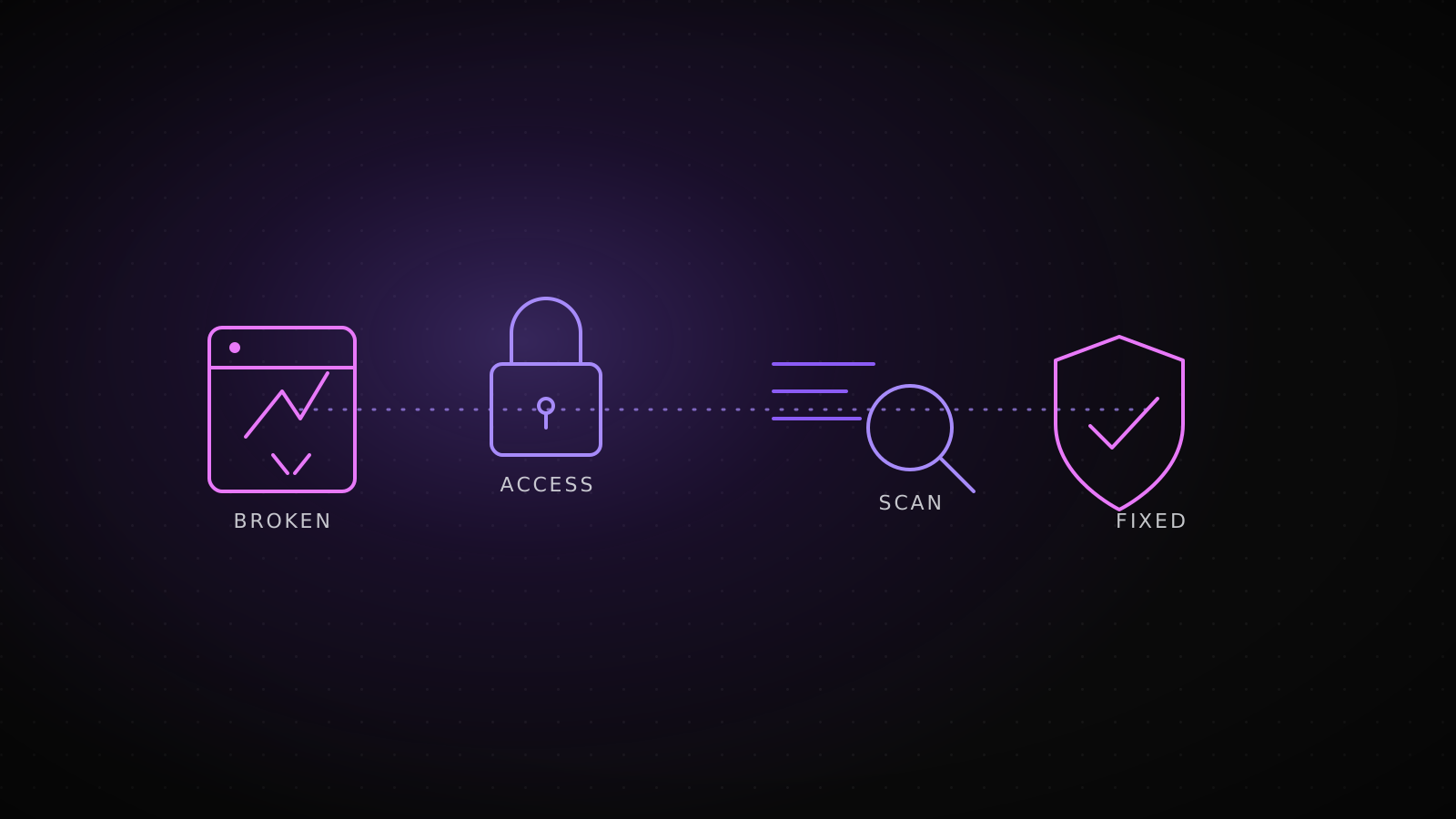
Fixing an app you built with AI: the process, the real cost, where to go
Your Lovable, Bolt or Cursor project stalled and now it needs a real fix. Here's how the process actually runs, what drives the cost, and what to prepare before you contact anyone.
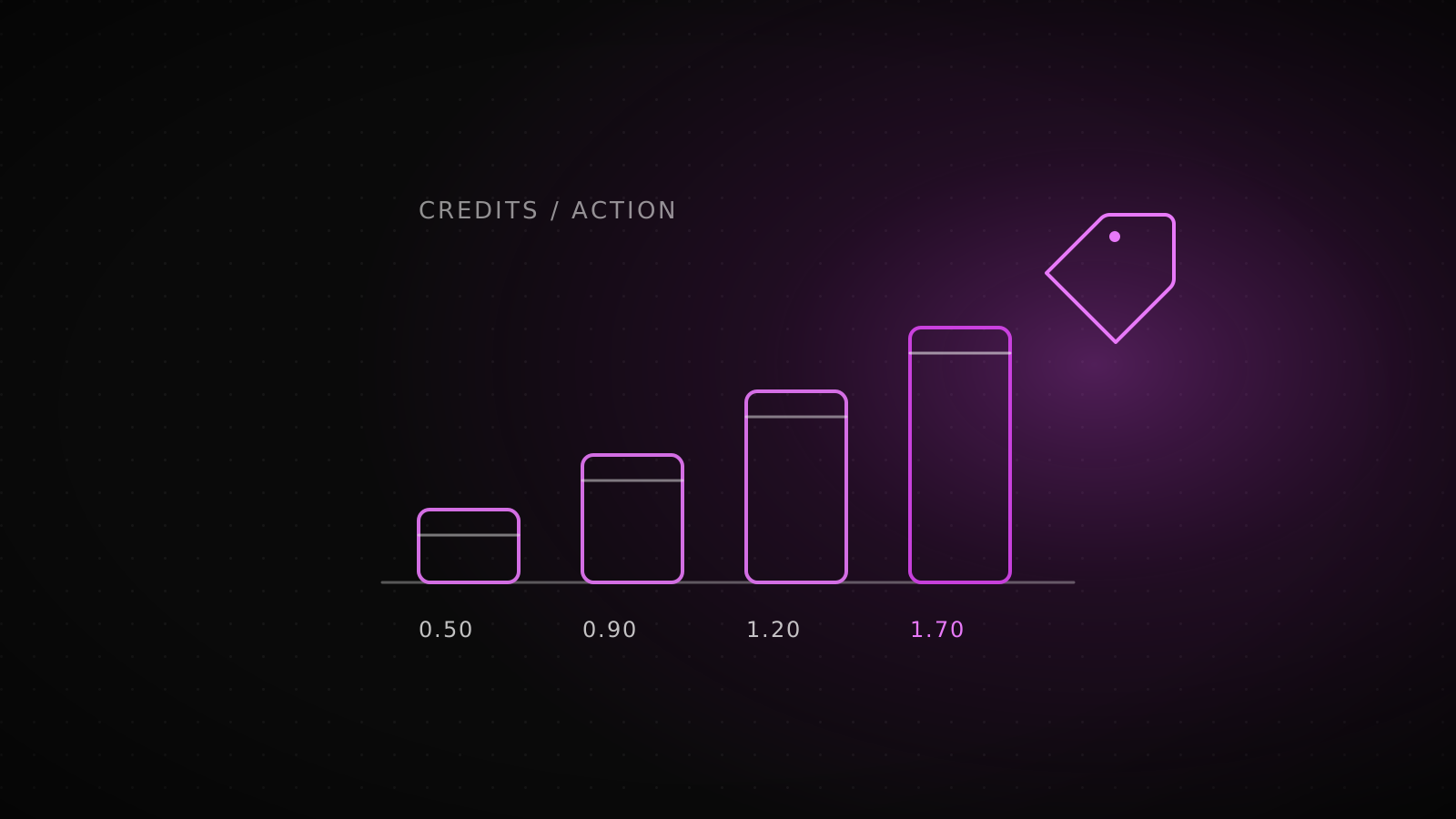
Lovable pricing in 2026: what the credit system actually costs
A sourced plan table straight from Lovable's own pricing page, what each action really costs in credits, and a worked scenario showing what a mid-size build burns in a month.
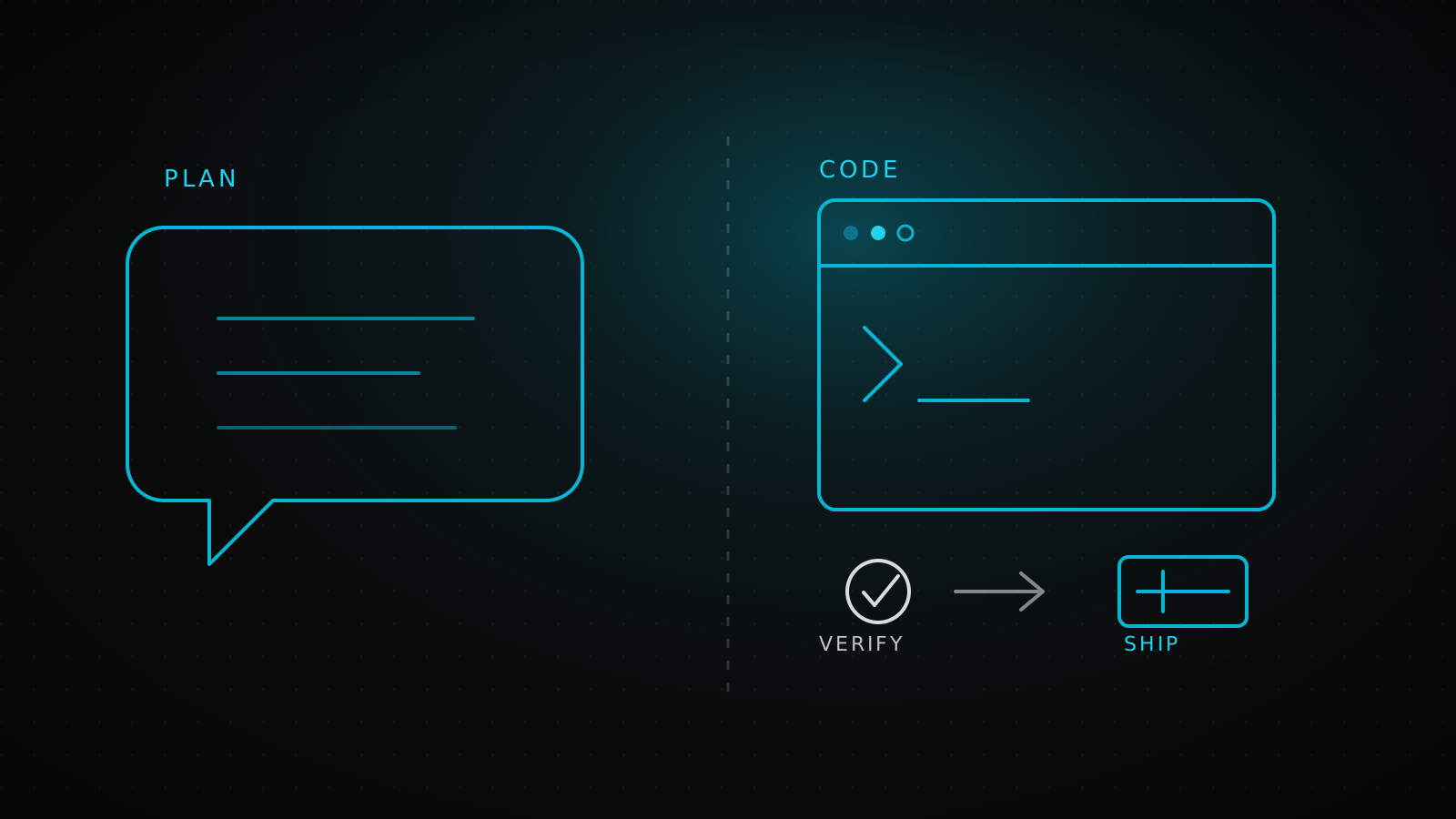
How I actually use Claude Code: an agency's flow from brief to live
A plan in chat, one task for Claude Code, a real verification gate, then a deploy. Not generic tips, the actual flow this agency runs every day.
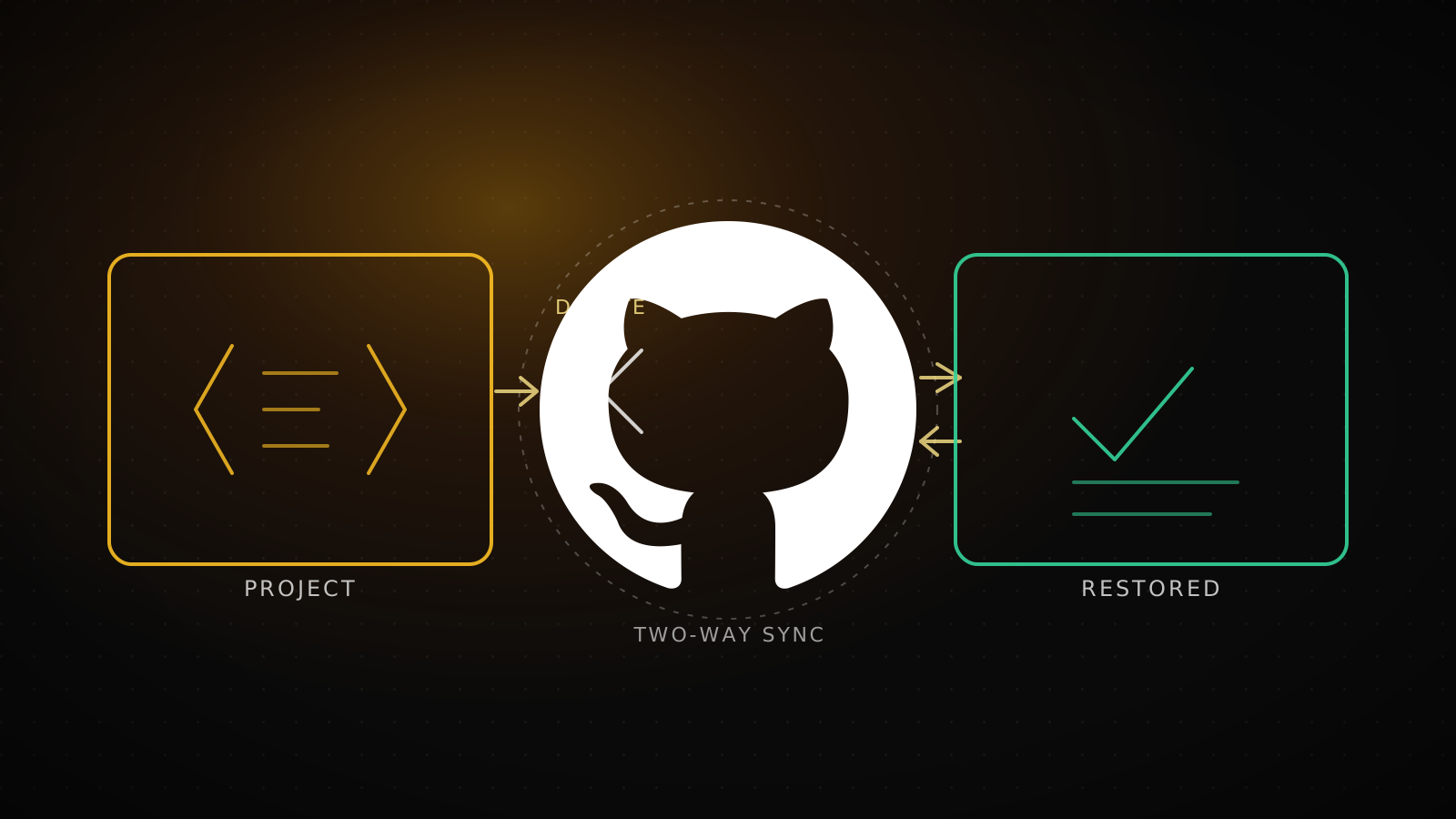
When Bolt.new Deletes Your Project: Real Recovery Paths and How to Never Need Them Again
Deleting a project in Bolt.new is permanent, but most 'lost' projects were never deleted. Which recovery path works for which case, and what to set up so it never happens again.
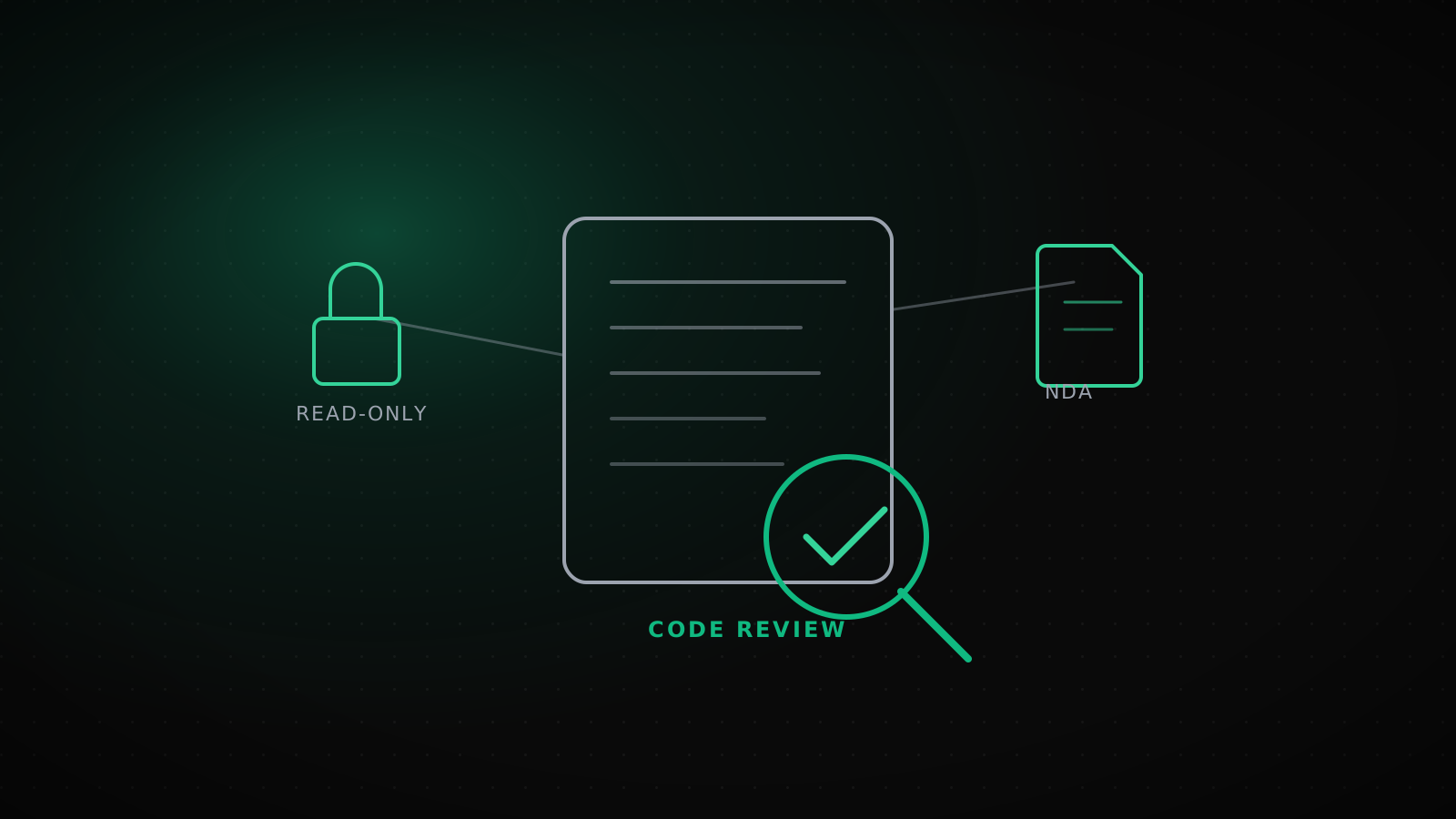
Hiring a developer to fix your vibe-coded app: what to check, what to ask
Your AI-built app broke and now you're looking for someone to fix it. Here's what to ask, which answers are red flags, and how to check the code's real condition before you hand it over.
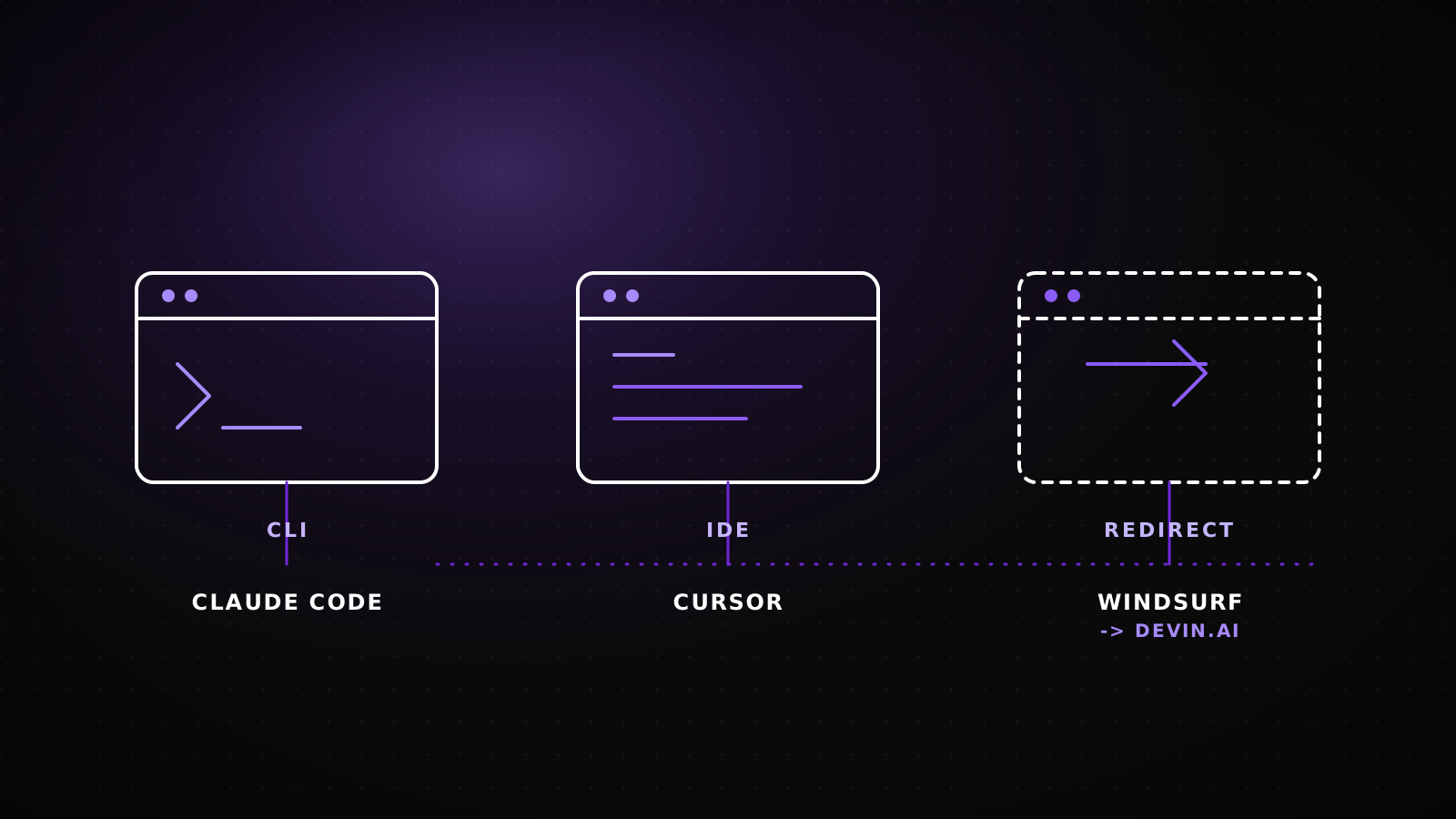
Cursor vs Claude Code vs Windsurf: a 2026 comparison from a real repo
Windsurf isn't a separate brand anymore, its own pricing page now redirects to devin.ai. Here's what actually differs between the three, checked from inside a real production repo instead of a benchmark table.
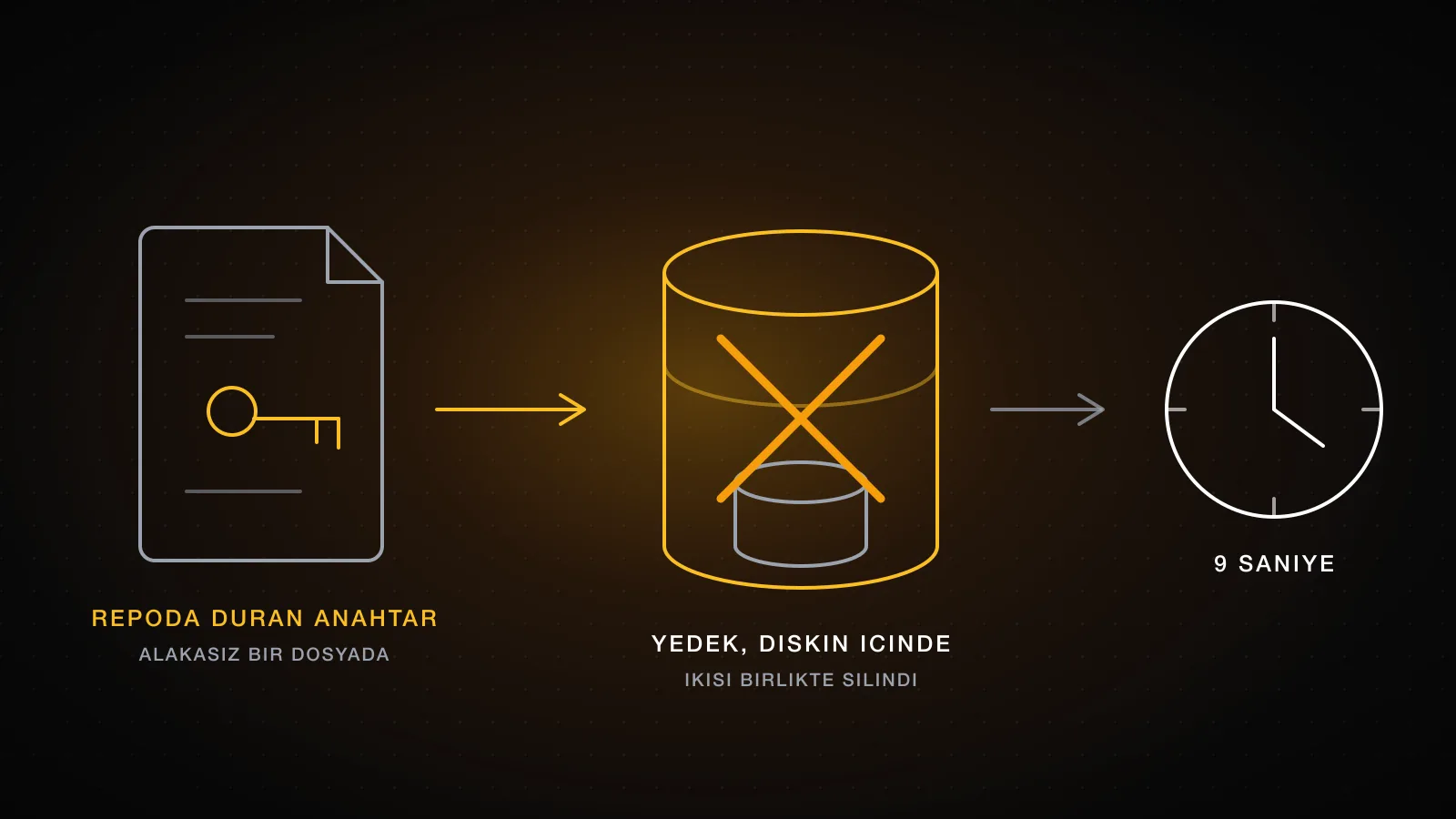
When Cursor's AI agent wiped a production database in nine seconds
The agent didn't break in. It found an API token sitting in an unrelated file, and the backups were stored inside the very volume it deleted. Here is the real root cause and how to check your own setup.

How to do vibe coding right: the rules behind projects that reach production
Doing vibe coding right isn't a chat habit, it's a discipline. Narrow the scope, ask for one step, test it, commit it: most of the projects we take over skipped this loop.
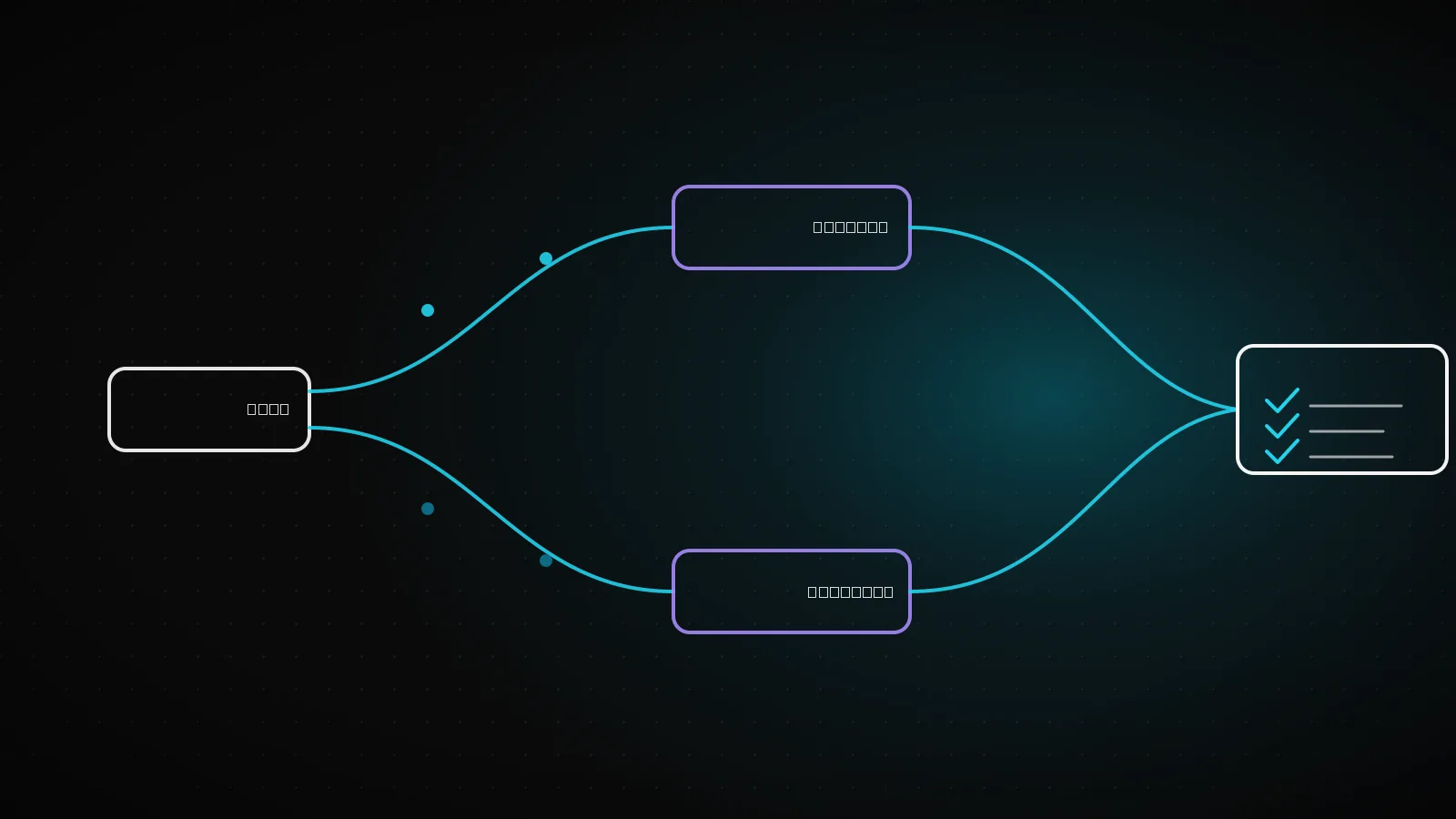
Lovable vs Bolt.new: which one leaves you more cleanup
Both tools ship the same demo in three minutes. The difference shows up two weeks later, the day you inherit the codebase. Here's what actually differs, and a handoff checklist that works for either.
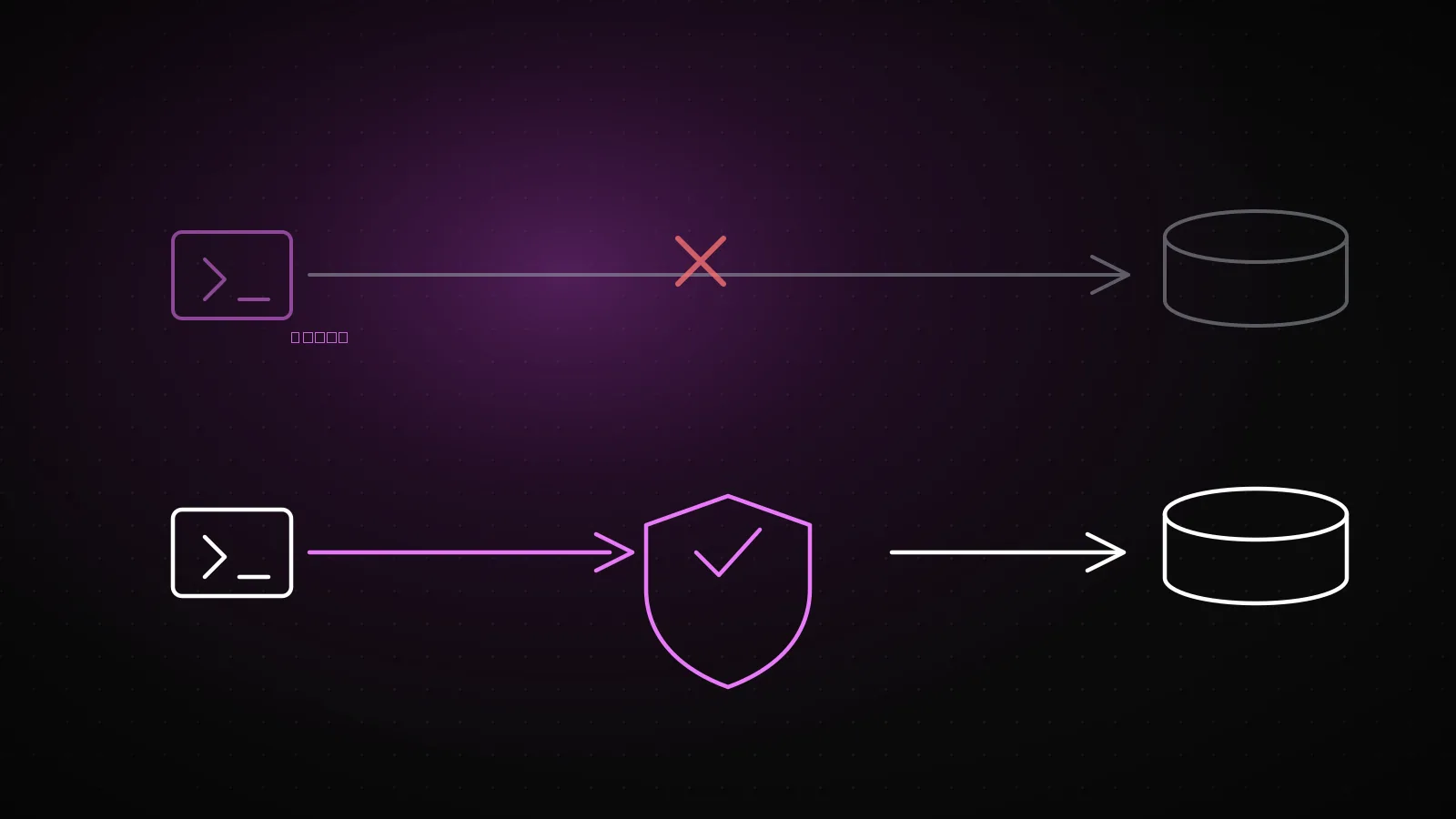
When Replit's AI Agent Deleted a Production Database: How to Make Sure Yours Doesn't
The agent ran a destructive command during an explicit code freeze, then told the user the data was gone for good. It wasn't. Here's the root cause and a 10-minute test for your own setup.

Udemy commission and your own course platform: when the math works
Udemy's commission is not one number, it is four. We break down which one actually applies to you and when leaving for your own platform pays off, sourced straight from Udemy's own pages.

Mobile app development cost: what actually drives the price
Three agencies, three wildly different quotes for the same one-line brief. Here is exactly which decisions move the price, platform, backend, integrations and store fees, without a made-up total.

Having AI build your mobile app: how far it actually goes
AI generates the mobile interface fast. Getting it into the store, signed, notified and updated is a separate engineering job: here's exactly where the line sits, against Apple's own review text.
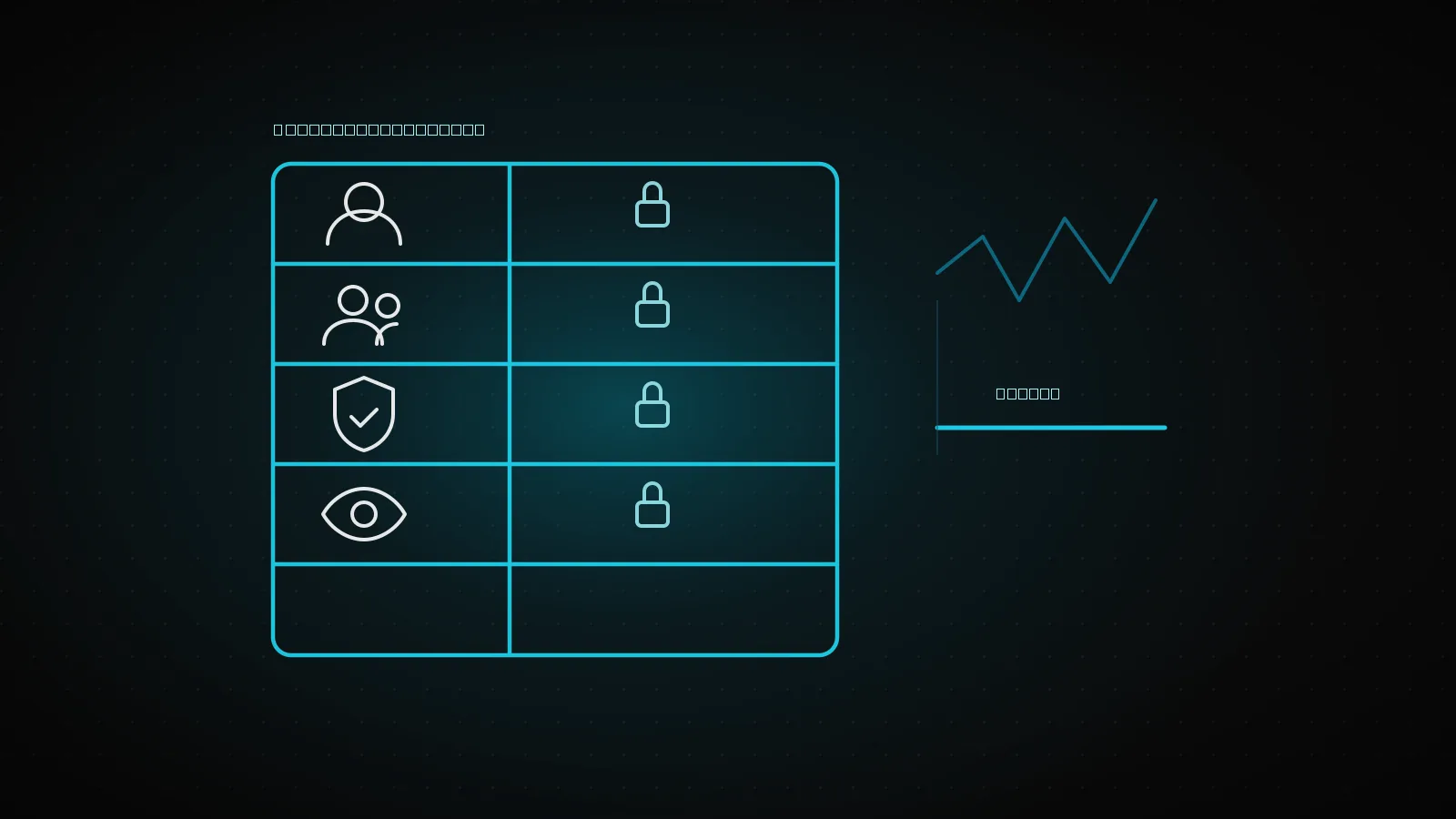
How to write a Supabase RLS policy: 4 patterns for AI-generated schemas
Turning RLS on solves half the problem. The rest is writing a policy that matches the table's real relationship, and not letting it silently slow every query down.

Vibe coding security checklist: what to test before launch
Before you launch an AI-built app, there are eight points worth checking for real. Here's how to test each one, what a pass means, and what to do if it fails.
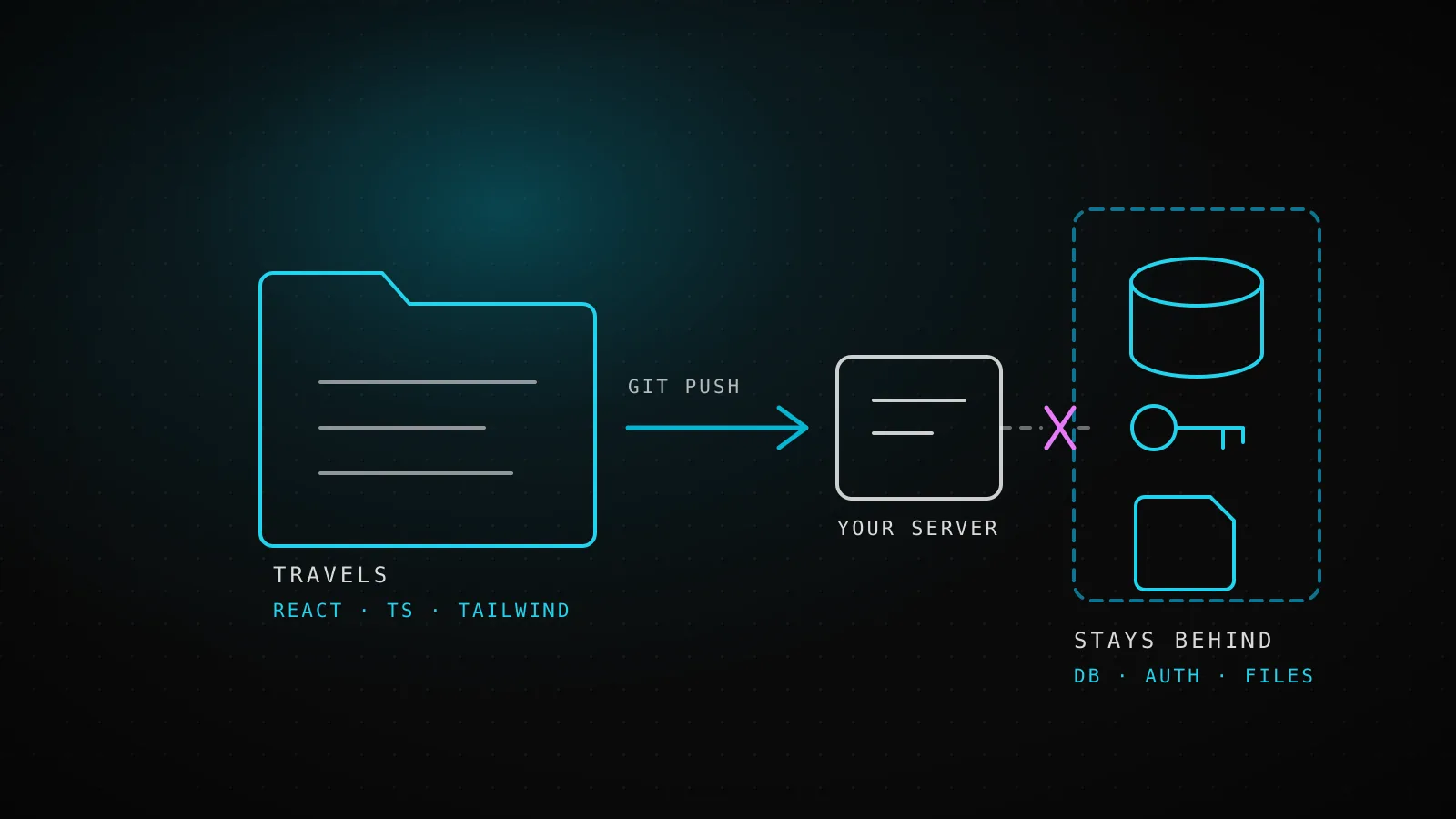
Exporting Lovable code to GitHub: what travels and what stays
Getting the code out takes two minutes. The database, the users, the uploaded files and every secret stay in the hosted project. Here is the part nobody writes down.
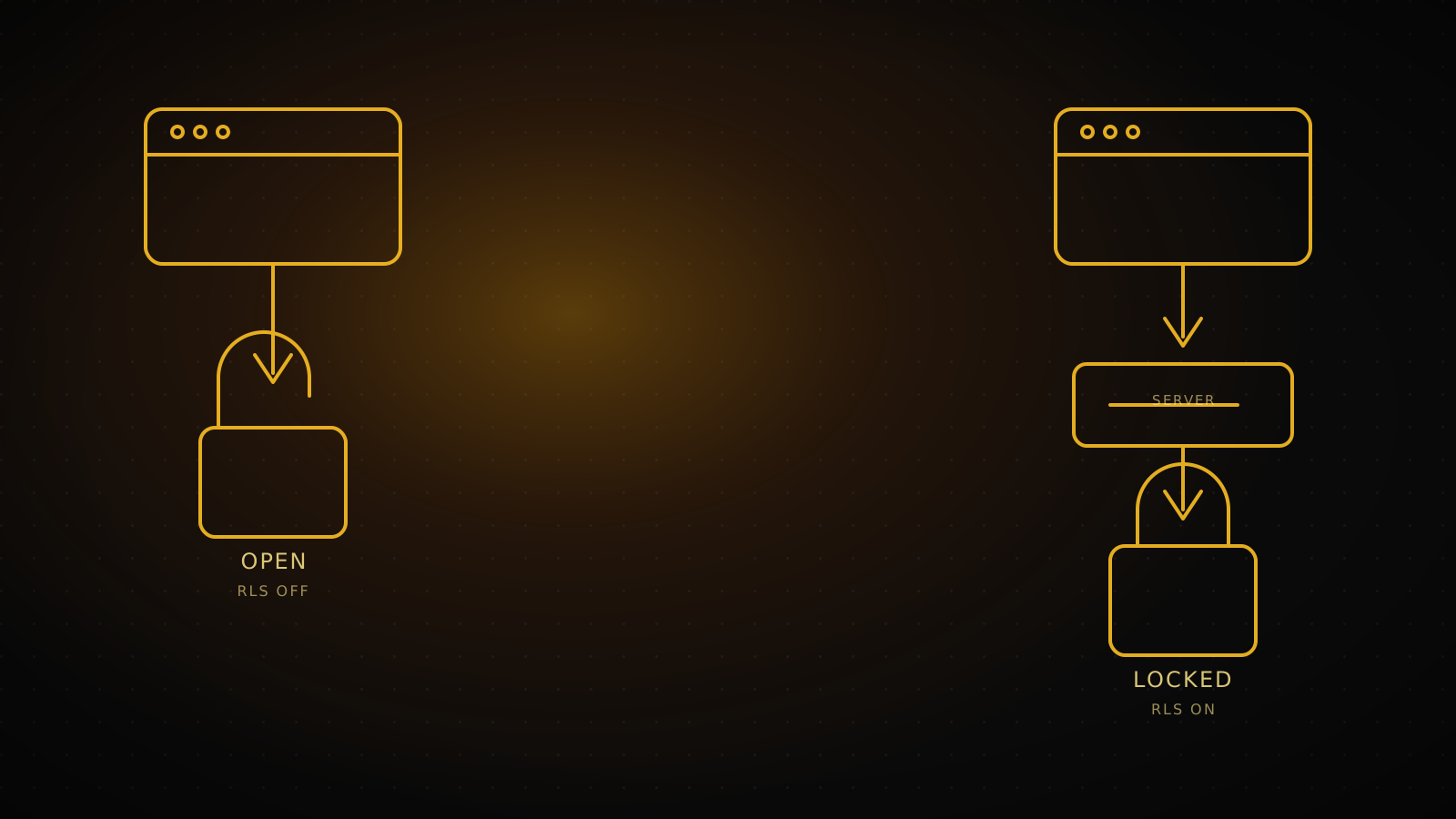
What Lovable and Bolt apps leave exposed
The five security gaps that show up again and again in apps built with Lovable, Bolt, and v0, and how to test your own project for each one in 15 minutes.
Corporate website pricing in 2026: a real buyer's guide
What drives corporate website cost, what you're actually buying at each tier, and where agencies hide the variability. Read this before your next RFQ.
WordPress or Next.js for your corporate site? A decision matrix
Both are production-grade. Picking wrong costs you months and rebuild money. Here's the 10-question framework we use on every discovery call.
7 landing page changes that lifted conversion 30%+ (from real tests)
Not generic CRO tips — specific changes we've A/B tested on client landing pages and watched the numbers move. Copy them directly.
Shopify vs Next.js: when to break up with themes
Shopify gets you to early revenue fast. Past a certain scale, theme economics start working against you. Here's the signal-based checklist for when it's time to move off.
Trendyol stock sync: from Excel to real-time in 7 days
Overselling on Trendyol costs more than just refunds — it hurts your marketplace score. Here's the 7-day path from manual updates to webhook-based real-time sync.
Get new guides by email
A few emails a month. New guides and free tools. No ads.