
Trendyol clothing commission rate 2026: where apparel sits against other categories
Trendyol never publishes one commission table, but independent seller tools converge on a number: clothing sits near the top of the platform's bands. Here is what that costs at real revenue, and how to confirm your own rate.
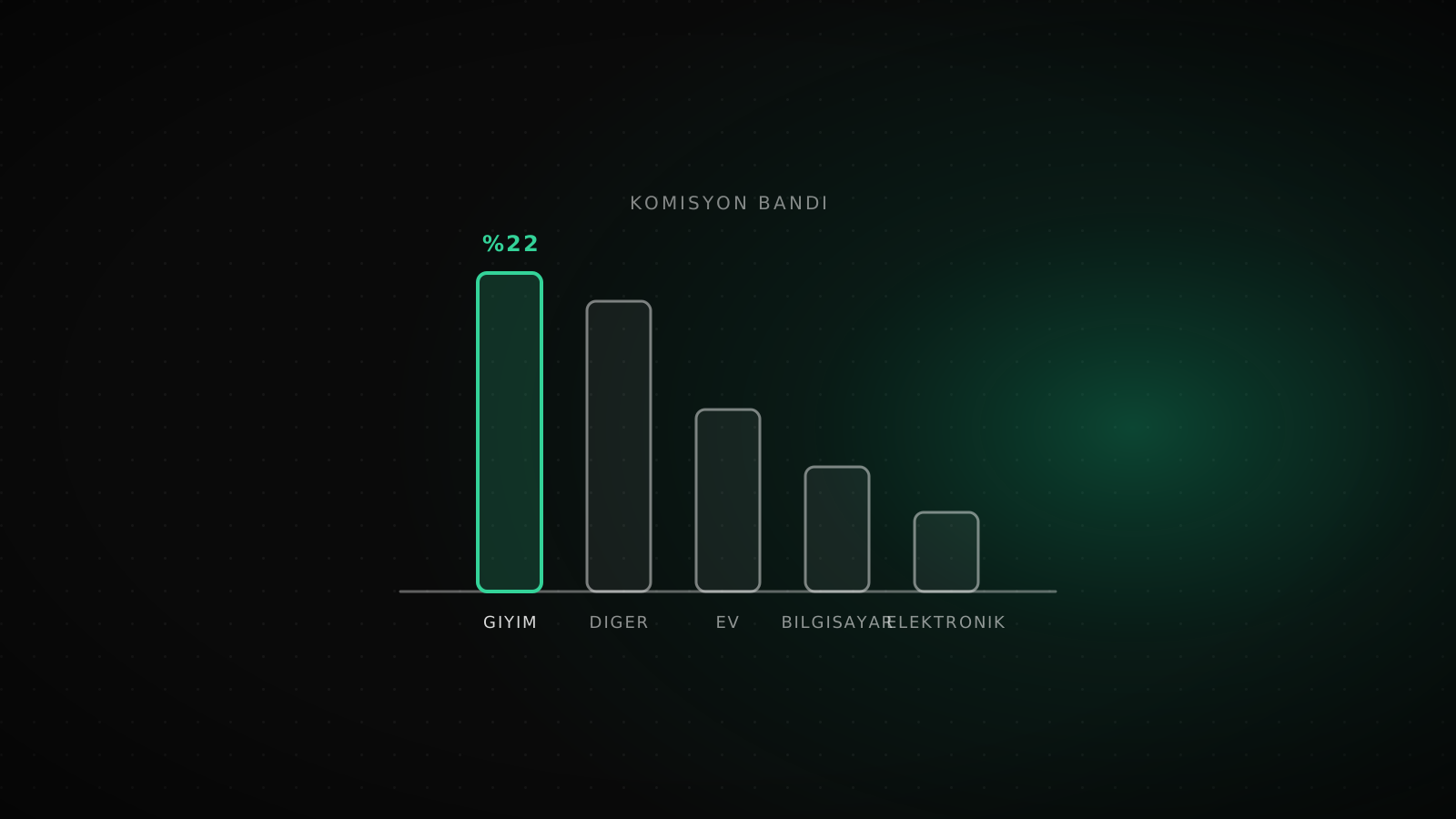
Trendyol does not publish a single commission table a seller can look up. But the independent seller tools that track this converge on a number for clothing: roughly 22%, placing apparel among the platform's highest commission bands, well above categories like phones and electronics. This piece shows what that band costs at real revenue, how it compares to Trendyol's other main categories, and the exact place in your own Seller Panel where you confirm the number that actually applies to your account.
Summary
Clothing's commission midpoint across independent seller-tool sources sits around 22%, among Trendyol's highest category bands, more than four times the phone/electronics rate. At 1,000,000 TRY of monthly revenue, that alone is roughly 2.64 million TRY a year before shipping or ad cuts. Loom & Loop and Hiera show what owning the channel looks like once that math starts to matter.
Clothing commission does not fit in one table
A seller typing "Trendyol clothing commission rate" is usually hoping for one clean percentage. Trendyol does not hand that over: the rate varies by sub-category, by brand agreement, by seller performance tier, and by whichever campaign is active that week. We confirmed this directly while researching this piece: Trendyol's own seller-facing rate pages return a 403 to a logged-out visitor, and there is no public master table to link to.
What exists instead is convergence. Several independent seller-tool vendors that sellers already use for invoicing and profit tracking each publish their own read of the category bands, and those reads land in the same neighborhood for clothing: a commission in the low-to-mid 20s, well above categories like phones or computers. That convergence, not a single official source, is the honest basis for any number in this piece. Your own Seller Panel is still the only number that applies to your account.
Five categories, one comparison: where clothing sits
The table below lines up clothing against Trendyol's other broad categories, using the same midpoint figures our own cost comparator tool ships with. Treat these as a starting point, not your invoice.
Typical commission band by category
Midpoints from independent seller-tool sources, read in your own Seller Panel for the exact figure on your account.
A clothing brand is paying a rate close to four times what a phone seller pays on the same platform, for the same style of listing and the same checkout. That gap is structural, not a sign you negotiated badly.
What 22% actually costs across a year
Percentages hide the number sellers actually feel: the line on next month's payout. Holding the rate at the clothing midpoint and varying only monthly revenue:
| Monthly revenue | Commission only, monthly | Commission only, annual |
|---|---|---|
| 150,000 TRY | 33,000 TRY | 396,000 TRY |
| 500,000 TRY | 110,000 TRY | 1,320,000 TRY |
| 1,000,000 TRY | 220,000 TRY | 2,640,000 TRY |
None of this includes the shipping cut or the ad budget it takes to stay visible in a crowded apparel category, both billed separately from commission. The commission line alone, at a million TRY of monthly revenue, is already over 2.6 million TRY a year leaving the business before either of those. Run your own revenue and your own confirmed rate through the Trendyol vs. your own store cost comparator for the exact number and the point where owning your own site starts winning.
Confirming your own rate in the Seller Panel
The 22% figure above is a starting point, never your invoice. Three steps get you the real one:
1. Open Finance
Seller Panel, Finance / Billing section, not the product listing screen.
2. Filter by sub-category
Women's, men's, kids', shoes and bags each carry their own line, not one blended rate.
3. Record it and re-run the math
Trendyol revises category tariffs periodically. Re-check this before any yearly planning.
Lowering the rate is not really the lever
Once a seller sees the real annual number, the next question is almost always how to negotiate it down. For most sellers, that question has an answer, but it is not the one expected: the rate itself is set by category and tier, not negotiated case by case. Our guide to actually lowering your Trendyol commission covers the real lever: growing the share of revenue that never passes through that percentage at all, by selling more through your own store, with the exact breakeven math and a sync setup that keeps both channels running in parallel.
Loom & Loop and Hiera's two-channel pattern
Lumiasoft has built both sides of exactly this decision for apparel and lifestyle brands. For Loom & Loop, a Netherlands-based slow-fashion brand, we shipped a WooCommerce storefront with newsletter automation and shipping integration, landing a 100 SEO score and 89 on desktop performance. Hiera, a premium fixtures brand with the same two-channel instinct, runs on a Next.js 16 and Stripe storefront across three languages with a full commerce admin panel, at 90 mobile and 98 desktop on Lighthouse. Both brands kept their marketplace presence running while the owned channel grew underneath it, exactly the sequencing the cost comparator above is built to time.
When this math is not worth acting on yet
If monthly clothing revenue sits well under six figures in TRY, the fixed monthly cost of running an owned store likely outweighs what the commission gap above is costing right now, and the honest move is to stay on Trendyol and revisit the comparator as volume grows. The same applies if a catalog depends entirely on Trendyol's own discovery traffic with no other channel (Instagram, a returning customer base, export buyers) that an owned site could actually convert. Commission math only pays for a move once there is somewhere else to send the traffic.
Frequently asked questions
Is 22% Trendyol's official clothing commission rate?
No. Trendyol does not publish one official rate for clothing. 22% is the midpoint where several independent seller-tool sources converge; your Seller Panel's Finance section carries the number that applies to your account and sub-category.
Does the rate differ between women's, men's, and kids' clothing?
Sub-categories inside clothing can carry their own line in the Seller Panel rather than one blended apparel rate. Footwear and bags are tracked separately from the broader clothing bucket in the comparison above for the same reason.
Does this number include shipping and advertising costs?
No. Commission, the shipping cut, and ad spend to stay visible in-category are three separate charges on the same sale. The annual figures above cover commission only, so the real total a seller pays is higher.
How often does Trendyol change clothing commission rates?
Category tariffs get revised periodically, without a fixed public schedule. Re-check the Seller Panel figure before any annual budget or pricing decision rather than relying on a number from a prior quarter.
What should a seller do after confirming their real rate?
Run it through the cost comparator against actual monthly revenue to see the annual cost and the breakeven point against owning a store, then read the commission-lowering guide for the structural move that actually changes the number.