
Why your website loads slowly: the real cost of the leads you're losing
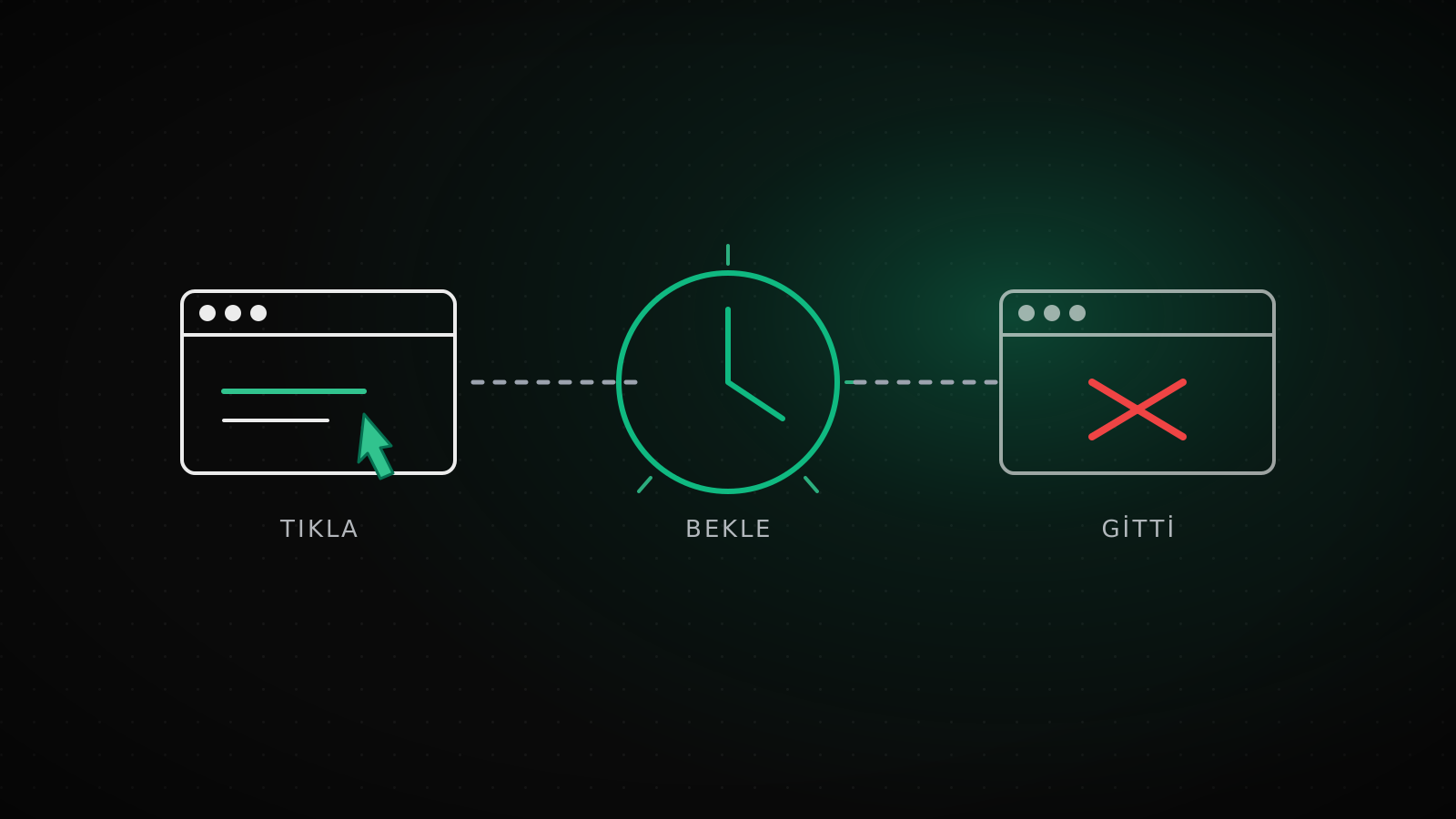
A slow site loses the visitor before the quote form even loads. The diagnosis order, real response times measured across six live sites, and the fix that actually holds.
A visitor who taps a link and watches a blank screen for three seconds does not file a complaint, they close the tab. The quote form never loads, so the lead never exists, and it never shows up in any report as a loss, because nothing was ever submitted to lose. That is the real cost of a slow site: not a bounce-rate number on a dashboard, but a customer who never became one.
Summary
A measured BBC case found an additional 10% of visitors lost for every extra second of load time. Diagnosis has a fixed order: hosting response, image weight, third-party scripts, then DNS/CDN. Measured live on six Lumiasoft-built sites in a single run, response times ranged from 0.32s to 2.21s, proof that a fast launch does not stay fast without someone watching it.
The cost of a second: what a slow site actually bills you
Google's own web.dev research on page speed collects measured cases from real companies, not estimates. The BBC found it lost an additional 10% of users for every additional second its site took to load. Rakuten 24 measured a 53.37% increase in revenue per visitor and a 33.13% increase in conversion rate after investing in Core Web Vitals. Vodafone measured an 8% sales increase after a 31% improvement in Largest Contentful Paint, and The Economic Times measured a 43% better bounce rate once a site passed the Core Web Vitals thresholds. None of these are agency marketing claims; they are the companies' own measured numbers, published by Google.
Applying the BBC's measured rate to a sample of 1,000 monthly form-page visits
On time
1,000
visitors still there
+1 second
900
100 already gone
+2 seconds
810
190 gone
+3 seconds
729
271 gone
An illustrative calculation applying the BBC's own measured 10%-per-second rate, compounded, to a round sample of 1,000 visits. It is not a guarantee for every site; it shows the shape of the loss.
Diagnose in order: where the seconds actually go
"The site is slow" is not a diagnosis, it is four separate problems that each need their own fix, and checking them out of order wastes the first afternoon of the investigation.
1. Hosting response (TTFB)
How long the server takes to send the first byte, before the browser has drawn anything. A shared, overloaded or distant server shows up here first, before any image or script is even requested.
2. Image weight
A product or project photo uploaded straight from a phone, at full resolution, with no resizing on the way out. This is usually the single biggest line item on the bill.
3. Third-party scripts
A chat widget, an ad pixel and an analytics tag added one at a time, each innocent on its own, each blocking the page a little more. A year of "quick additions" adds up to this.
4. DNS and CDN routing
A domain's DNS resolution and whether a CDN sits in front of the server. Rarely the main cause, but it stacks on top of the other three for a visitor far from the server's region.
A real measurement: six live sites, tested in one pass
Instead of citing someone else's benchmark, this run timed six currently live, Lumiasoft-built sites directly, on 2026-11-11, with a single curl request per site measuring time-to-first-byte and total page load. This is a snapshot, not a certified lab test: a single measurement point, a single moment, real network conditions and all.
Measured total load time, single pass, 2026-11-11
Five of six sites answered in under a second. Mantra Yapı, built on the same stack, measured over 2 seconds in this pass, a reminder that launch speed and current speed are two different facts: hosting conditions, DNS and newly added scripts can slow a site down long after delivery, with nobody noticing until a visitor does.
Why ongoing monitoring beats a one-time fix
A one-time speed fix solves today's measurement and says nothing about next month's. Muhkem İnşaat's own corporate site, serving 26 live reference projects in two languages, cut its first-load payload from 12.7 MB to 1.6 MB by resizing images at the database layer; that is a real, shipped number, not an estimate. But a fix like that holds only as long as someone keeps checking it against new uploads, new scripts and a hosting bill that changes with traffic.
This is exactly the gap a LumiCare plan is built to close: the plan's own scope runs scheduled performance and security scans with Core Web Vitals tracking, not a one-off audit. Pricing starts at €149 a month, with a 10% discount on annual billing, carries a 99.5% uptime SLA, and a 2-4 hour response commitment on critical issues. Our guide to where those maintenance hours actually go and our hosting cost comparison both cover the infrastructure side of the same question.
Before that conversation, run the site's current numbers through our site speed comparator: it checks the address against Google's own speed thresholds and against the real average of Lumiasoft's delivered projects, no sign-up required.
When a monitoring plan genuinely isn't needed yet
A five-page static corporate site that rarely changes, with no active campaign and no marketplace or ERP integration, does not need monthly performance monitoring. An annual check and a quick fix when something is reported is usually enough. A plan earns its cost once a site carries an active quote funnel, a growing image catalog or an integration that can silently add load over time, which is most of the sites this guide is actually written for.
Frequently asked questions
How fast does a site need to load to stop losing leads?
There is no single cutoff, but Google's Core Web Vitals treat a Largest Contentful Paint under 2.5 seconds as good. The BBC's measured 10%-per-second loss rate means every second shaved off before that point returns real visitors.
Can a business check its own site speed without hiring anyone?
Yes. Our free site speed comparator runs the check directly against Google's thresholds and Lumiasoft's own delivered-project average, with no sign-up.
Is a slow site always a hosting problem?
No. Hosting response is the first thing to check, but oversized images and accumulated third-party scripts cause slowdowns at least as often, sometimes on servers that are perfectly fast.
Why did a site that launched fast get slow later?
Because nothing about a launch measurement is permanent: new photos, a new chat widget, a traffic spike or a hosting plan that was never revisited can all add seconds over months, which is the exact gap ongoing monitoring is built to catch.
Let's talk about what you want built.
Tell us what you want to build and we will work the scope out together.
Ask an AI about Lumiasoft
The question is ready. Let the tool read the site and answer for itself.


